Biological signals
Researchers study how peptides interact with receptors and influence communication between cells.
Explore peptide science, the questions behind the research, and the compounds in our catalog.
Peptides are short chains of amino acids joined by peptide bonds. Their sequence and structure help determine how they interact with biological systems.
Definition · National Human Genome Research Institute ↗Researchers study how peptides interact with receptors and influence communication between cells.
Peptide studies explore metabolic regulation, hormone-release pathways and cellular responses in defined experimental systems.
Cell studies, animal models and clinical studies answer different questions. Findings for one compound or formulation cannot automatically be applied to another.
A concise guide to each listed compound and its research context.
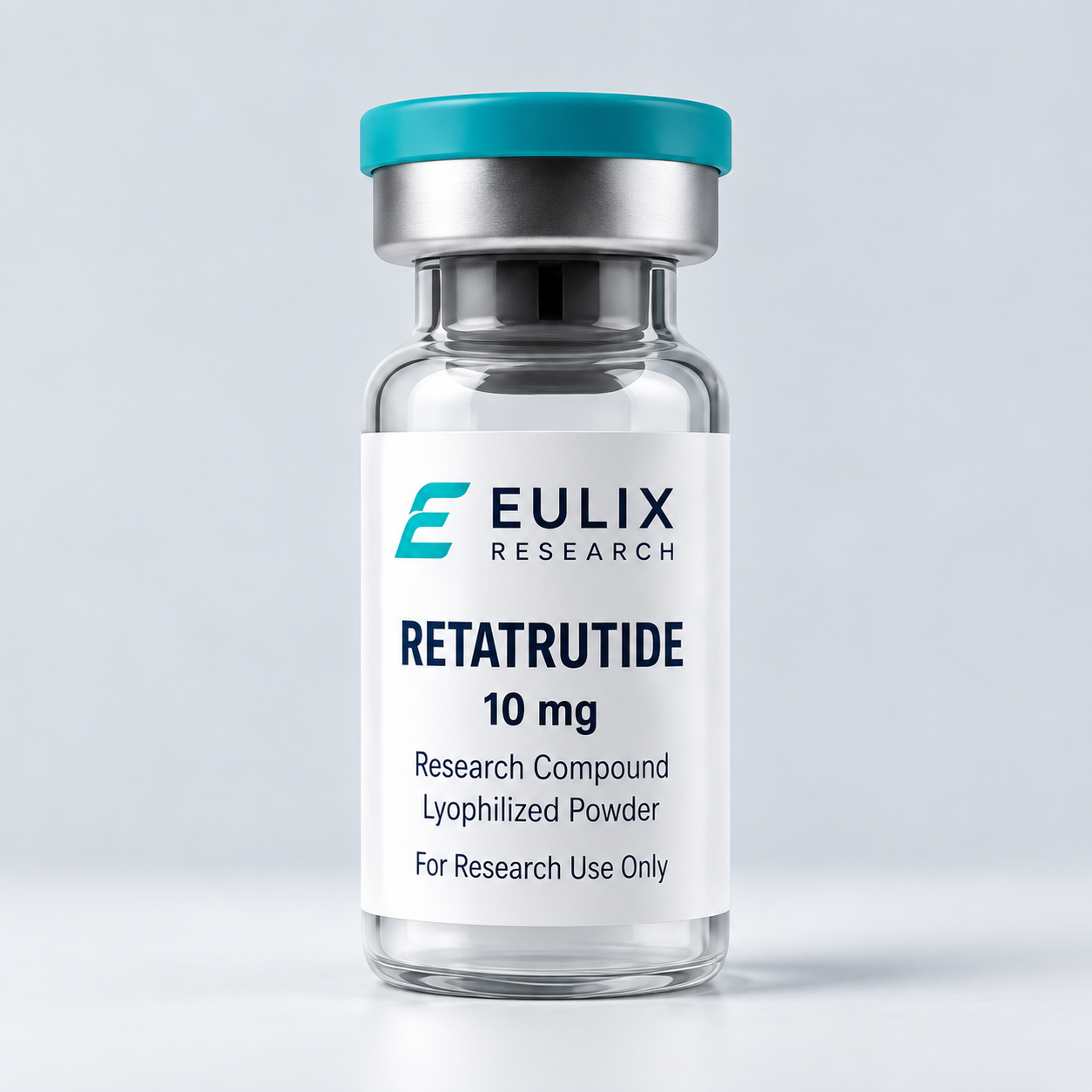
A peptide studied for activity at GIP, GLP-1 and glucagon receptors, with research focused on glucose regulation and energy balance.
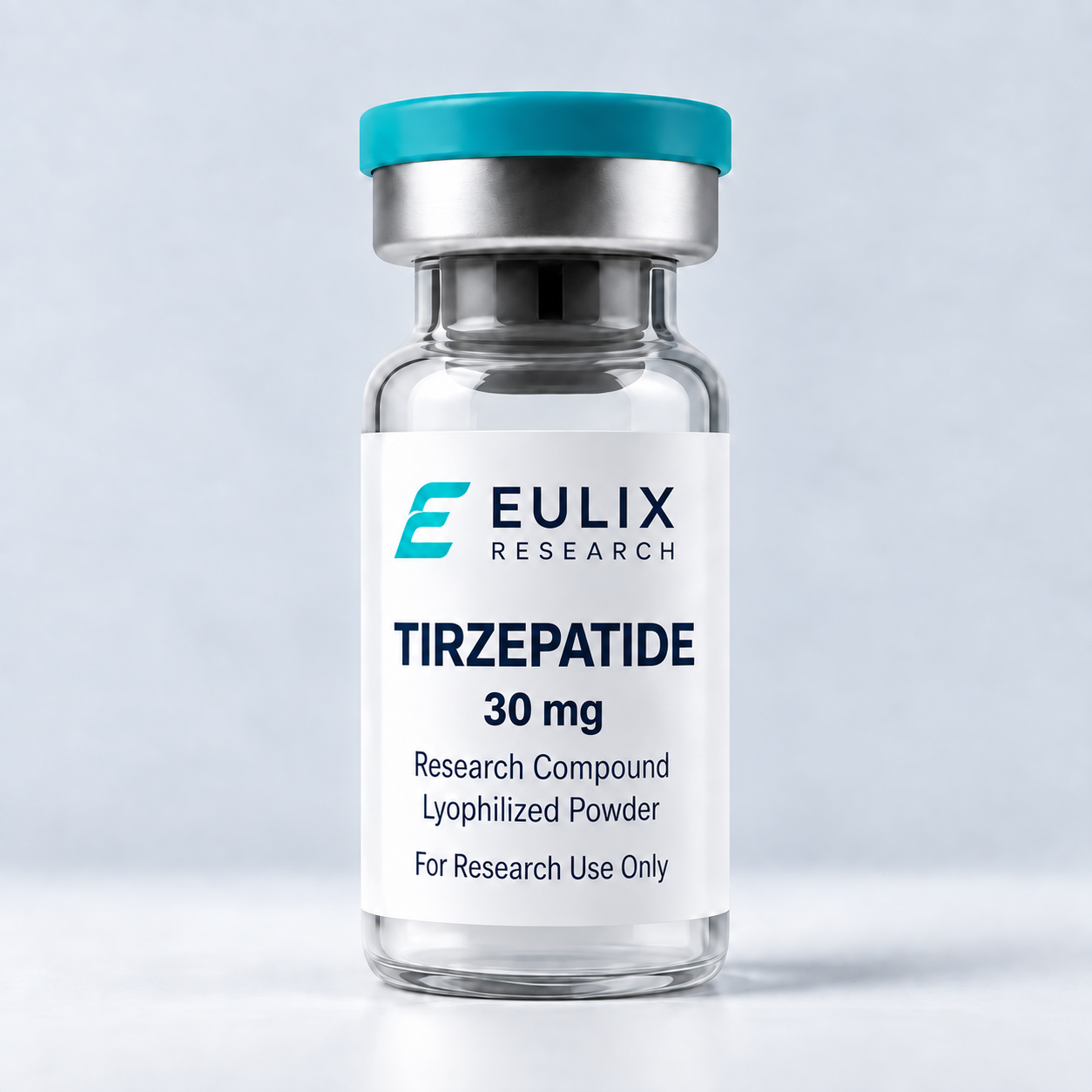
A dual GIP / GLP-1 receptor agonist studied in glucose regulation, insulin sensitivity and metabolic physiology.
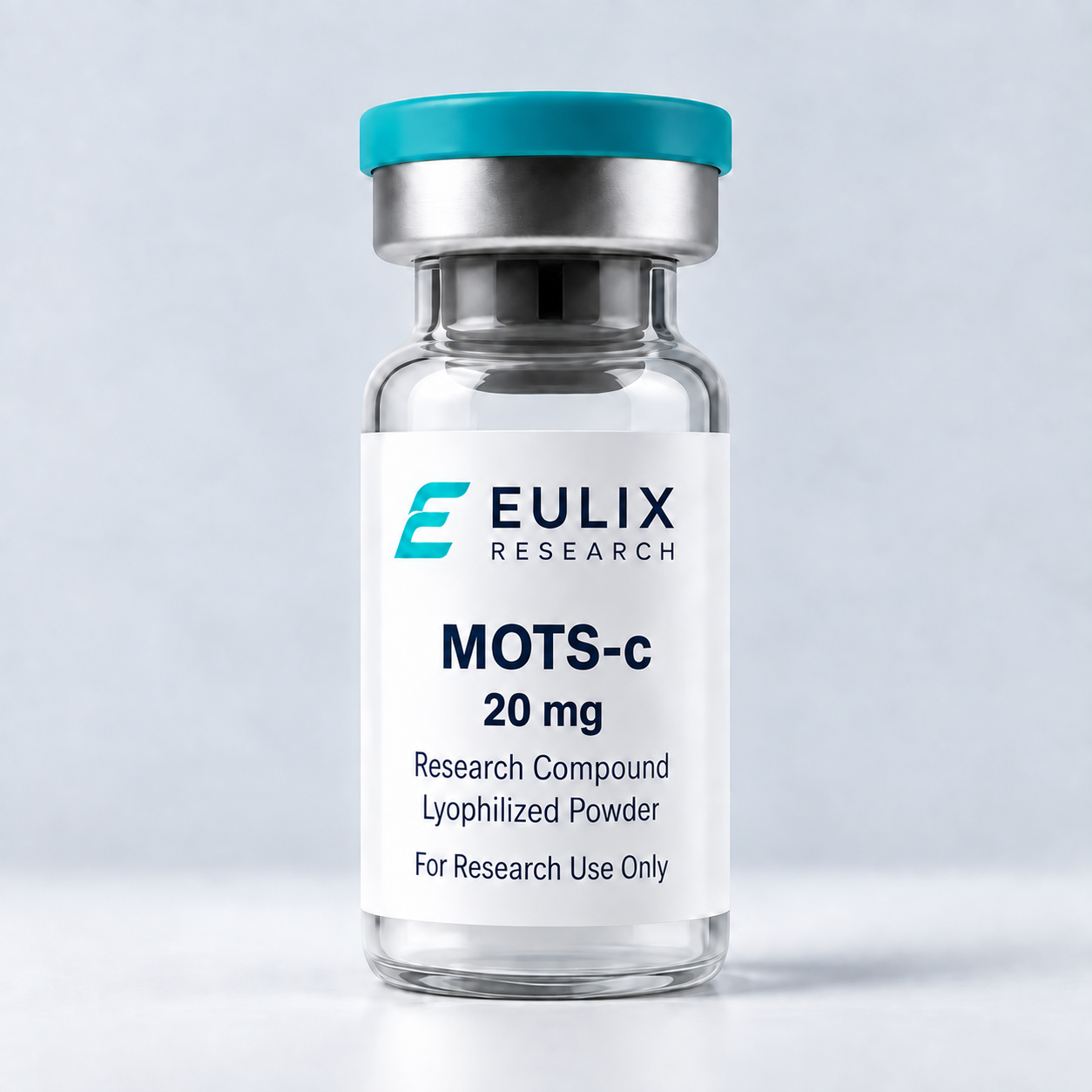
A mitochondrial-derived peptide investigated in cellular energy metabolism, insulin sensitivity and responses to metabolic stress, including preclinical models.
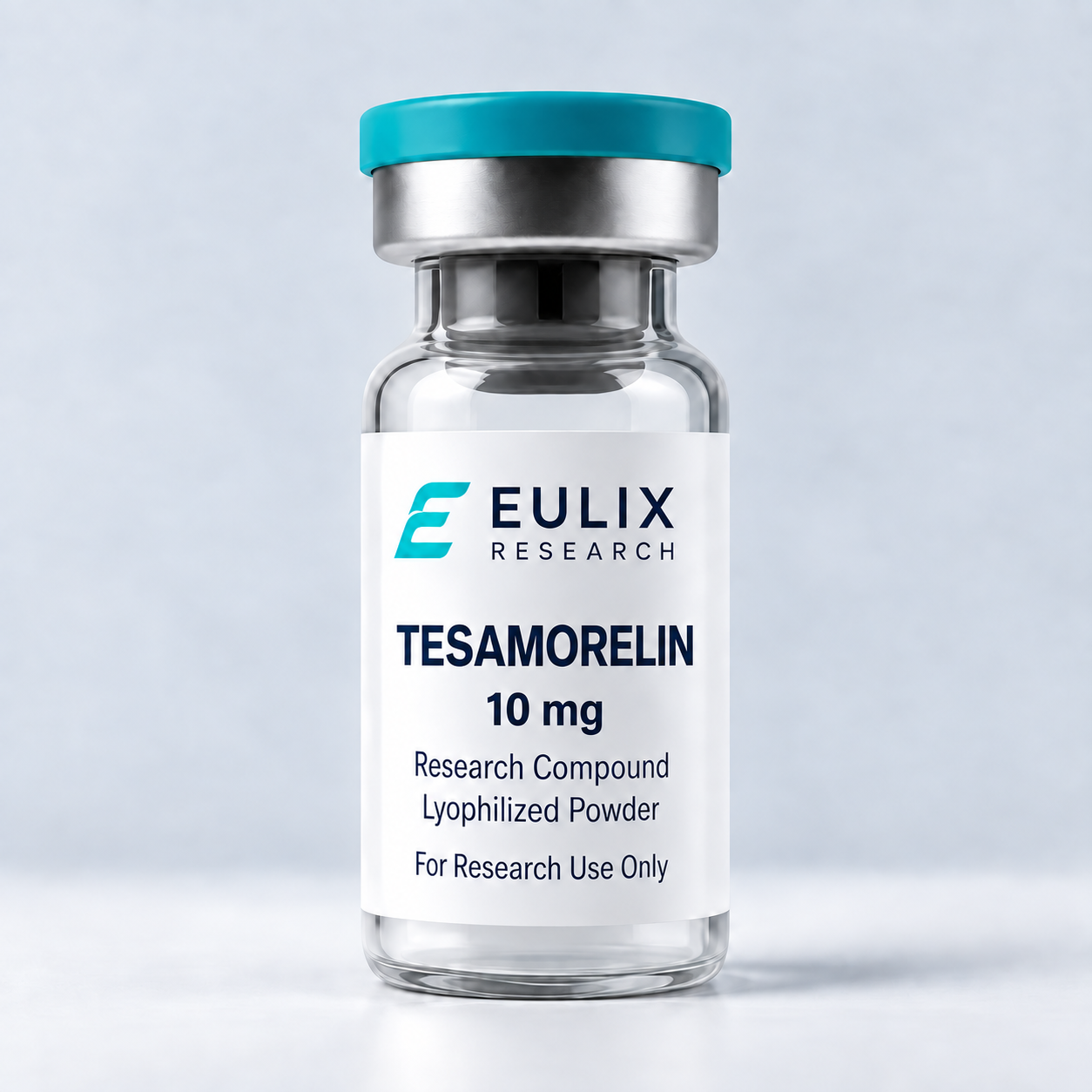
A growth hormone-releasing hormone analogue studied in the GH axis, body composition and visceral adipose tissue.
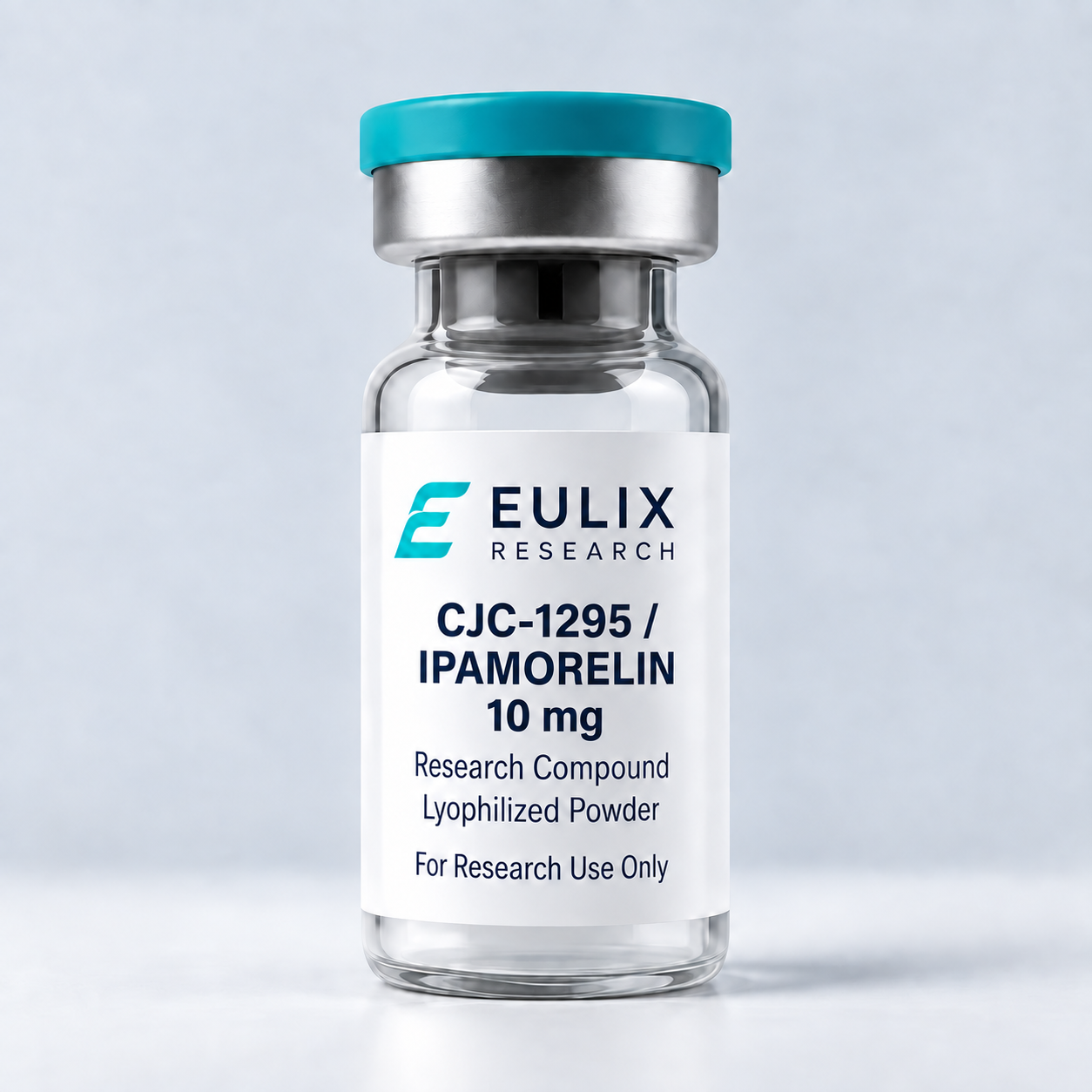
A blend of CJC-1295 without DAC (MOD GRF 1-29) and ipamorelin. Its components relate to growth hormone-release pathways; component research does not establish the effects of this blend.
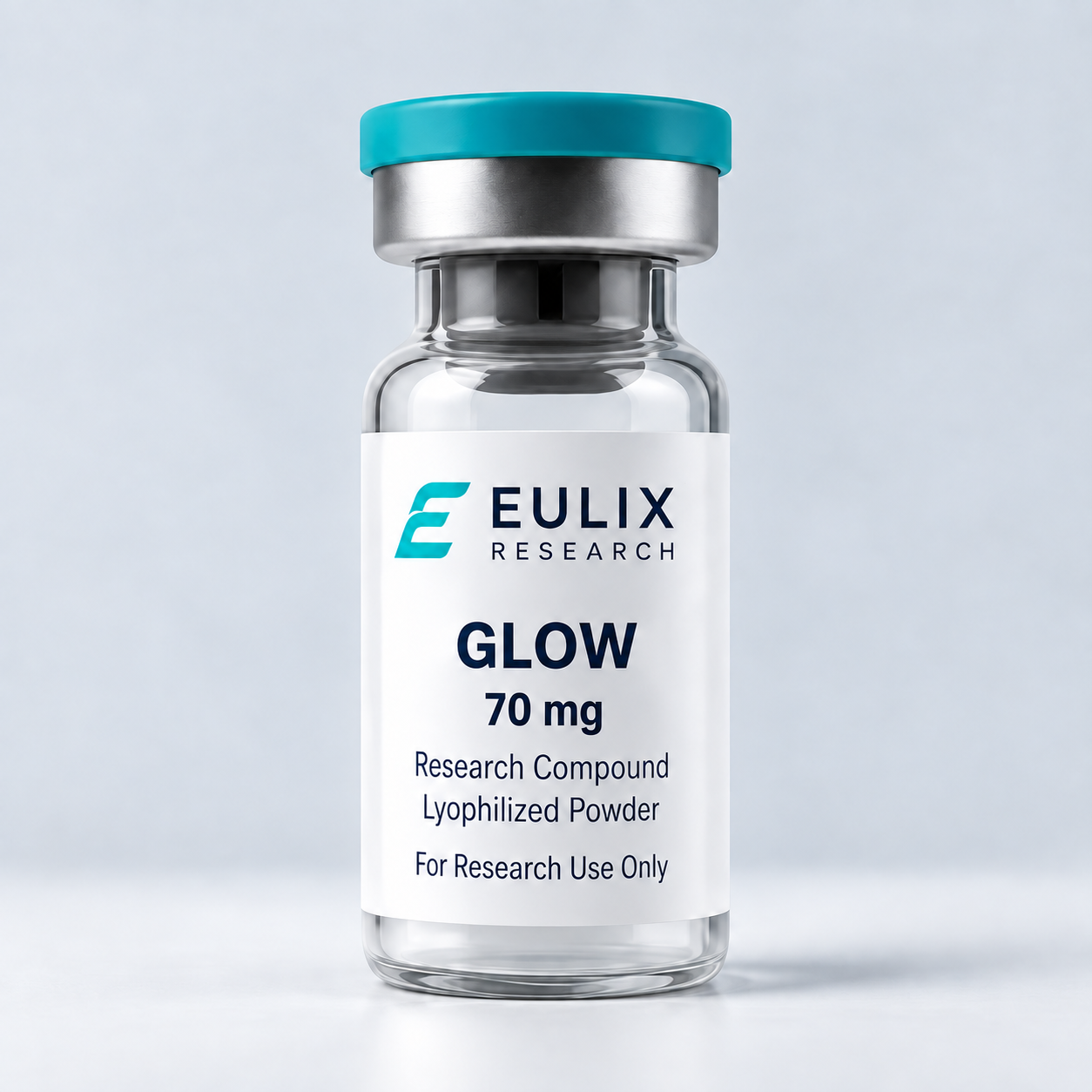
BPC-157, GHK-Cu and TB-500 in one formulation. Recent GHK-Cu component studies explore mitochondrial function and stress-response pathways in model organisms. These studies do not validate the GLOW blend.
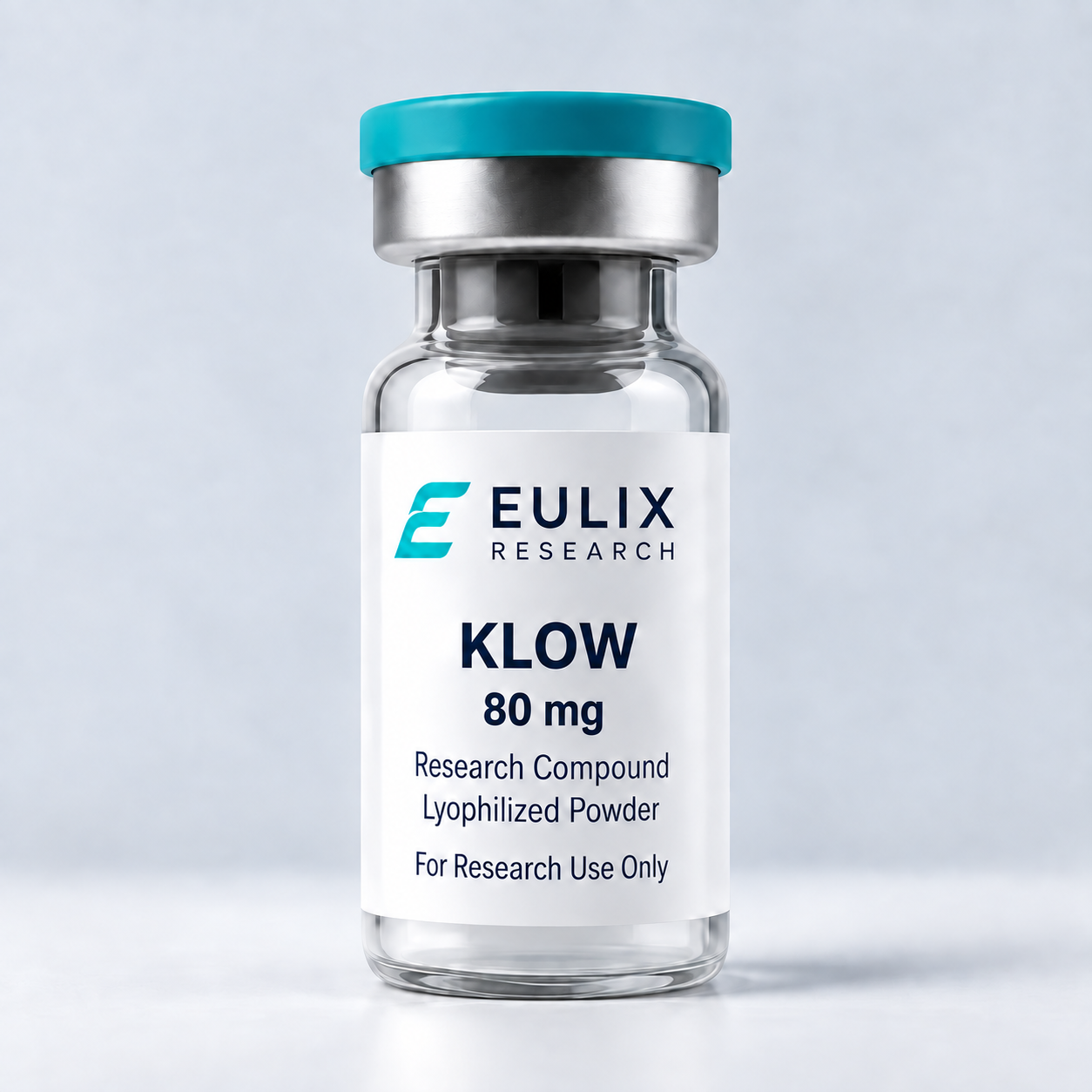
BPC-157, GHK-Cu, TB-500 and KPV in one formulation. Recent KPV research examines lipid and inflammatory signaling in cell and animal models. This evidence is specific to the component, not the KLOW blend.
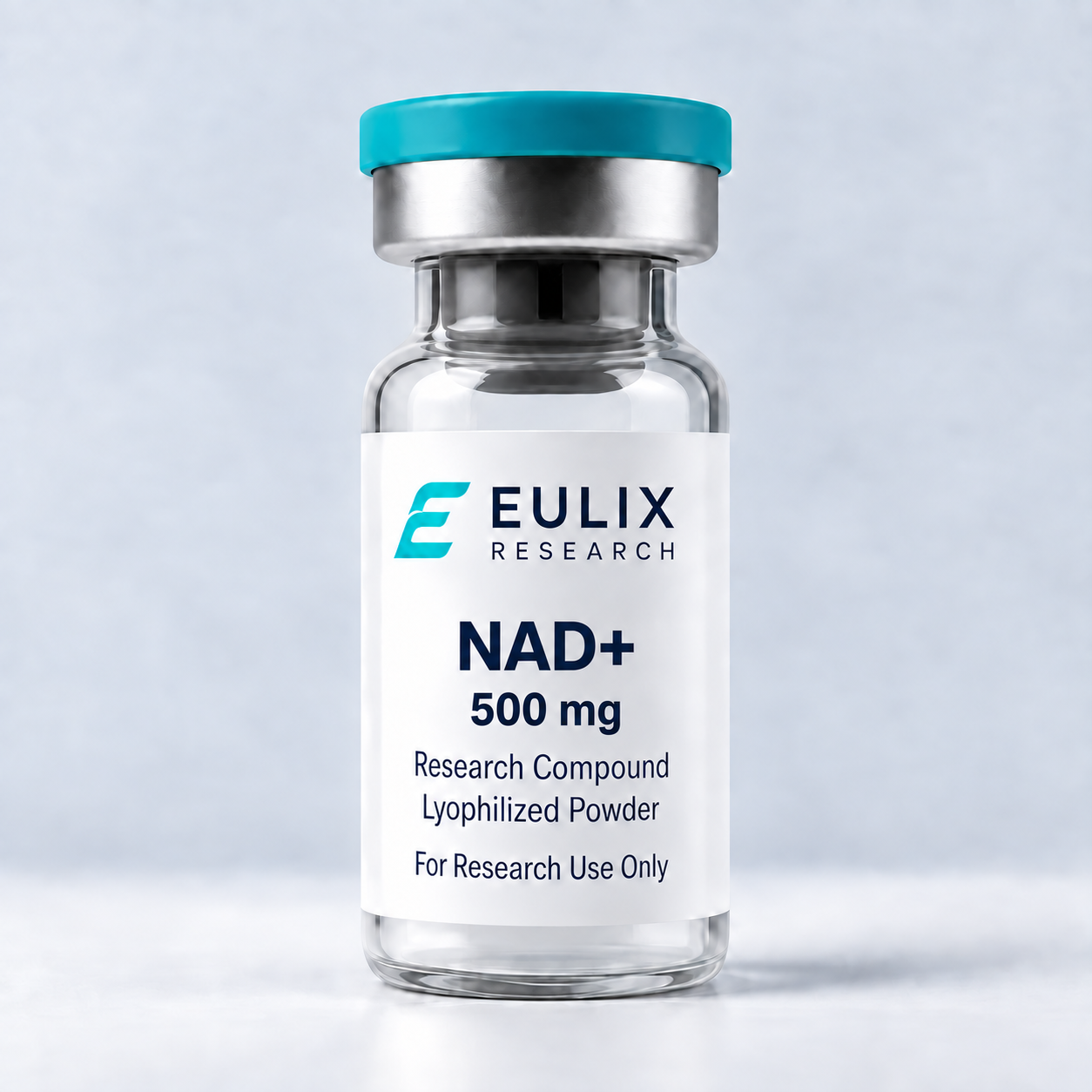
Nicotinamide adenine dinucleotide is a coenzyme, not a peptide. Research examines its role in redox reactions and the regulation of mitochondrial metabolism. Studies of endogenous NAD+ do not validate this catalog material.
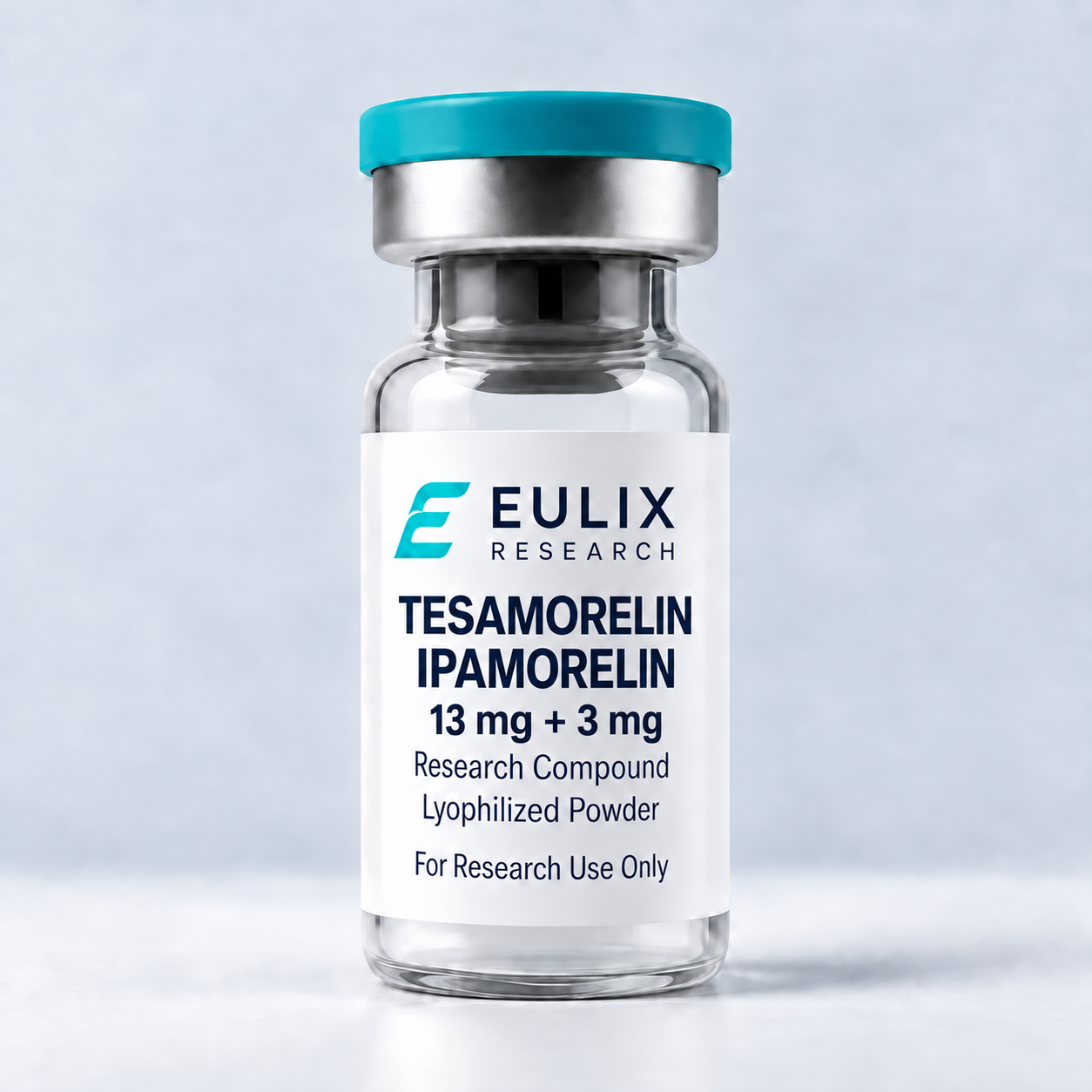
Tesamorelin 13 mg and ipamorelin 3 mg in one formulation. Research on tesamorelin examines growth hormone-releasing hormone pathways. The cited studies do not test this combined formulation or establish its properties.
GLOW and KLOW are catalog formulations. Research on individual ingredients is not evidence of safety, efficacy or synergy for the combined formulation. TB-500 naming can refer to different materials; analytical identity matters. Foundational identity reference · 2012 ↗ · GHK-Cu preclinical research · 2026 ↗
Review laboratory information, analysis dates and available COA copies for the listed compounds.
Educational research context only. EULIX materials are for laboratory research and analytical use, not for human or veterinary use.